Building Communities for Change
Adam Grant shares insights with Acumen on how building communities, consensus, and opportunity drives lasting social change.
- Blog
- All impact sectors
- All Regions
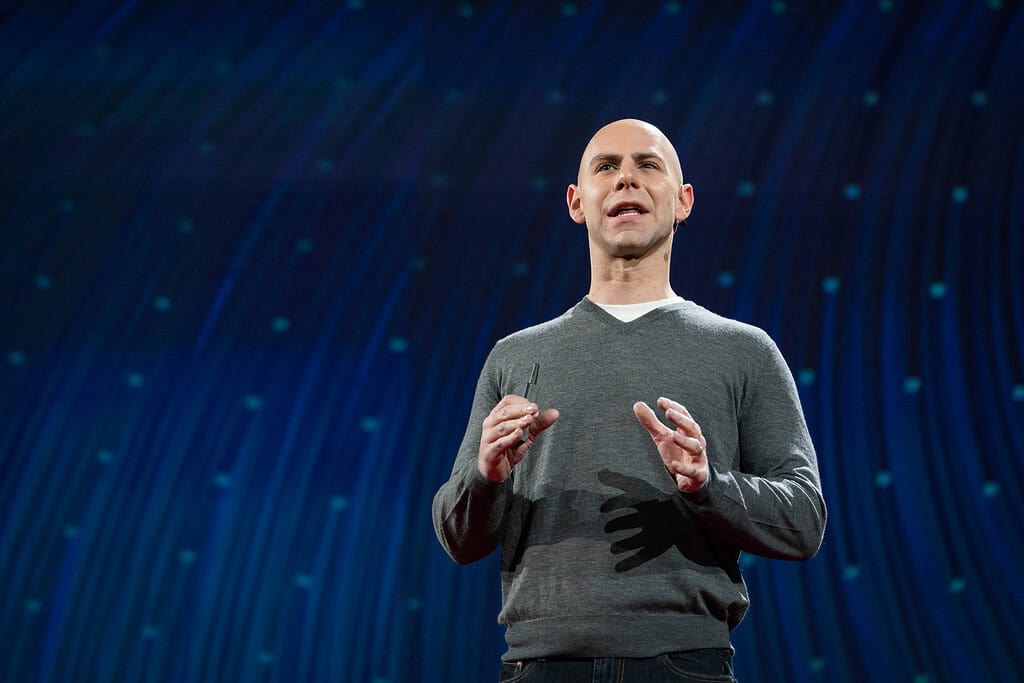
This article is drawn from an interview originally published on Acumen Founder and CEO Jacqueline Novogratz’s LinkedIn newsletter, “Moral Leadership.” Read the original interview here and subscribe to the newsletter here.
Adam Grant is The Wharton School’s top-rated professor and one of the world’s leading organizational psychologists. He’s known for helping people find motivation, rethink assumptions, and lead more generous, creative lives. He’s the number one New York Times bestselling author of six books, including Give and Take, Think Again, and Hidden Potential. His podcasts have over 90 million downloads and his talks have been viewed more than 35 million times.
I met Adam years ago and have consistently been thrilled and inspired by his sharp, strategic mind, his understanding of human beings, and his uncanny ability to answer complex questions with deeply insightful responses. So it was a great privilege to speak with Adam over Zoom with the regional leaders of Acumen Academy’s much larger community.
Adam, I’d love to start with where you are at this moment. How are you thinking about what it means to lead in this moment of history?
I’ve been remembering one of the great lessons of organizational change: sometimes things have to get worse in order to get better. Sometimes when we’re dealing with problems we’re used to, we get complacent. We don’t feel a sense of urgency. It’s the sense of “Hey, wait a minute. Our core values are under threat” that actually leads people to mobilize and take action. We have to take advantage of these moments as catalysts for people to build coalitions.
Even though it seems like a lot of our institutions are fragile and maybe weakening, this is still the best time in human history to be alive. If you zoom out that way, it’s easy to appreciate all the great things we have that we take for granted that a century ago just did not exist.
The work of social change is hard and lonely. You write a lot about community. What advice would you have about the power of building community in service of creating strength and coalition for change?
One of the most surprising things I’ve learned comes from psychological research on how people align toward a common goal. My assumption was that we need to find a solution that everybody is passionate about, and that will get people who might be working at cross purposes to land on the same page.
What I learned from the research is I was wrong. There’s a problem called solution aversion — if you start pitching a solution to people and they don’t like it, their first impulse is either to ignore or deny the problem altogether. Ironically, if we want to get people on board with a common solution, we need to begin by building consensus around what the problem is.
To put this in an Acumen context: to get people to align on the fact that poverty is unacceptable and unnecessary at this point in human history — that’s the beginning. Once we all agree that poverty needs to go away and we can all do something about it, now let’s talk about the range of ideas we have about how to tackle that. That conversation is much more likely to get buy-in.
We’re one of the most diverse communities on the planet across every line. In this moment, where some of the lines being held across diverse groups feel more fraught than ever, what advice would you give us about how to hold it all proudly and make that part of our story?
I think this is a marketing problem. If you look at various assaults on DEI around the world, they’re very specifically around reverse discrimination. What people align on really consistently is the idea that everybody deserves a chance. I think the language of opportunity is where I would go.
What people don’t like when they hear diversity is the premise that we’re just building Noah’s ark, as Laura Liswood describes it — I need two of each kind and then my work is done. That’s how a lot of these initiatives sound to people who haven’t studied them carefully.
What I’ve found myself advising organizations to do is say: what we’re about is opportunity. We want to make sure, regardless of your background, circumstances, what class you come from or what identity you hold, that you get a chance. A chance to live a good life, to solve problems, to make a difference. There’s very little resistance to that conversation. Everyone believes in opportunity across political and class lines.
Once opportunity is on the table, it’s much easier to talk about inclusion and say part of making sure people have opportunity is making sure everybody’s voice is heard, that nobody’s silenced, that nobody’s left out of important conversations that affect them.
More from our Knowledge Hub
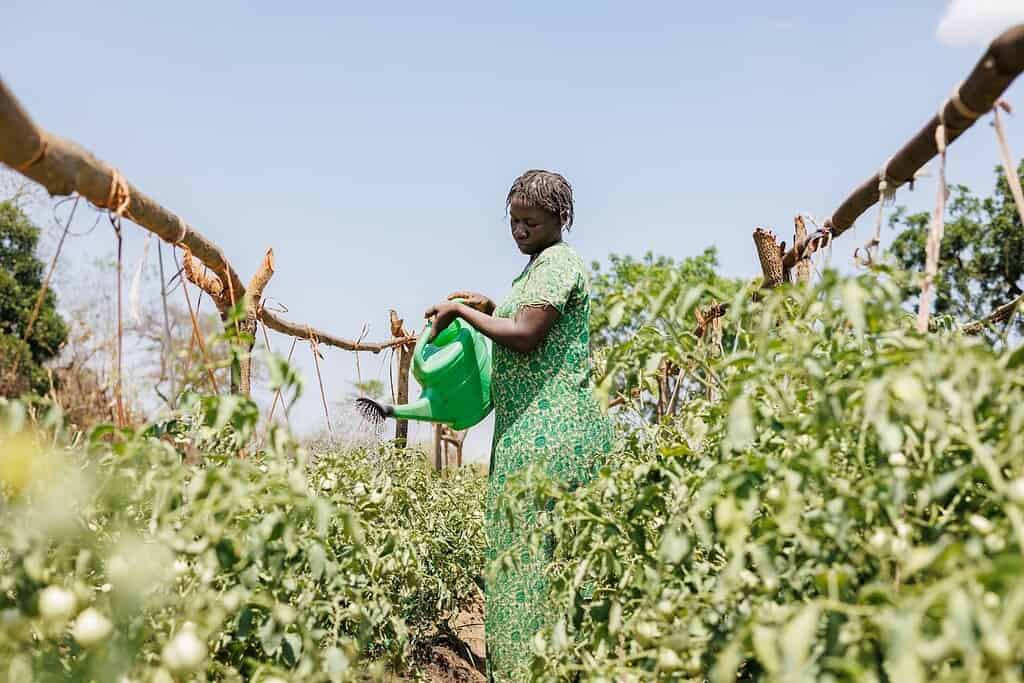
Acumen invests in Omia to unlock agricultural markets for displaced farmers in Northern Uganda
A market-driven approach replaces aid dependency with income, agency, and long-term opportunity for displaced farmers and refugee communities