What waste workers want: Lessons from India’s circular economy
Our new report explores what India’s waste workers need and shares recommendations for building a sector that values people and the planet.
- Report
- Dignified jobs
- India
- 2025
Based on surveys conducted with waste workers and employees from Acumen’s investee companies GreenWorms and Recircle across India, here are the key findings.
Executive Summary
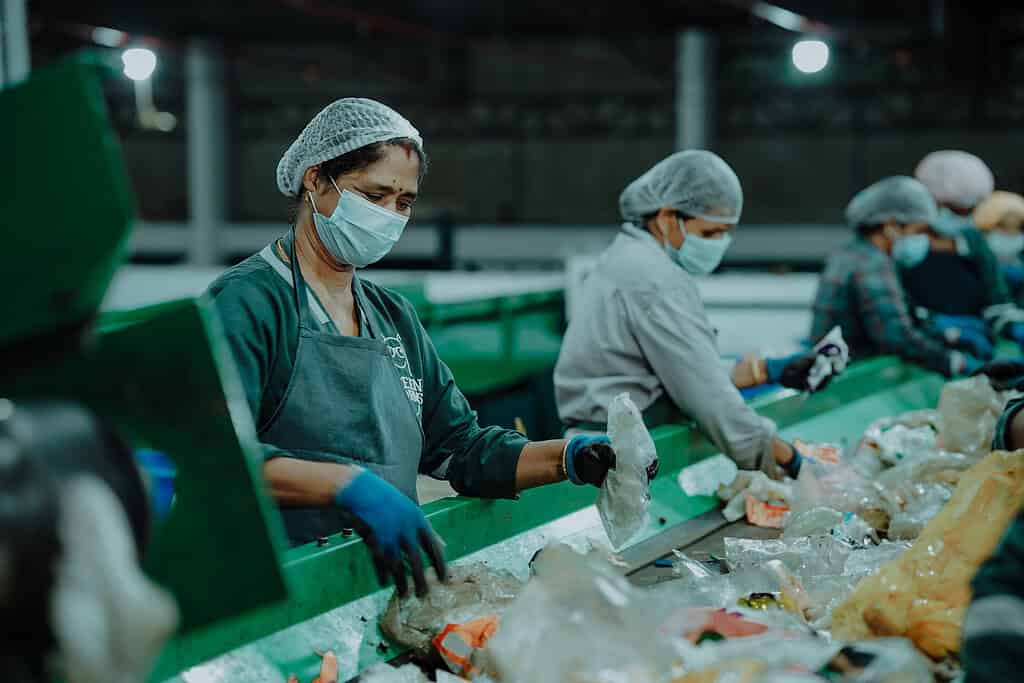
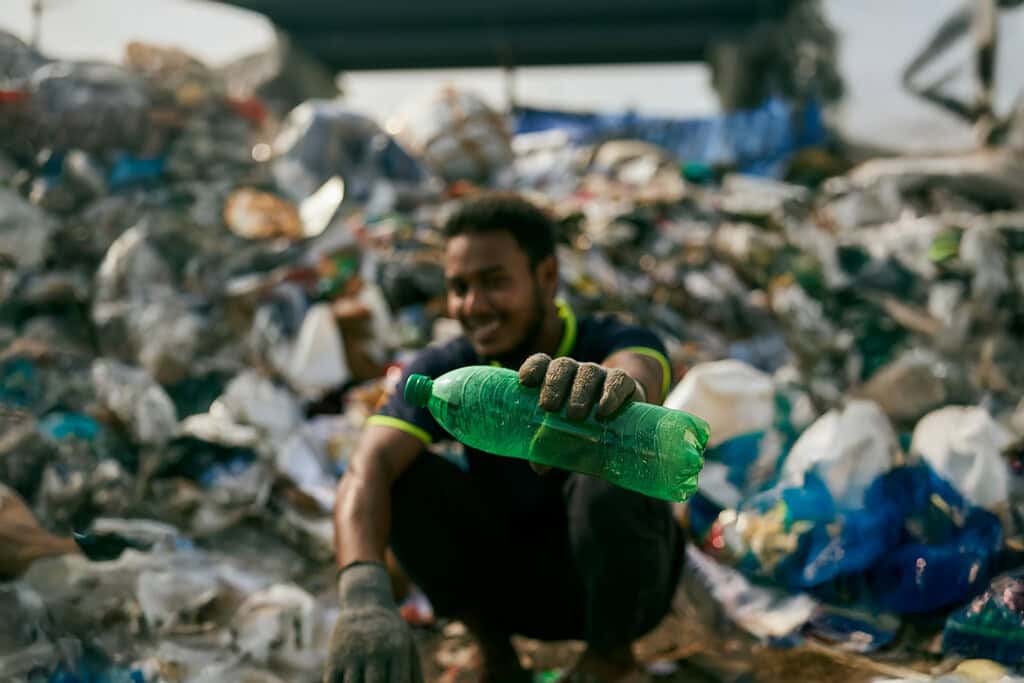
India produces more unprocessed plastic waste than any other country — 3.5 million tonnes and growing — and is home to the world’s largest informal waste workforce, numbering between 1.5 and 4 million people.
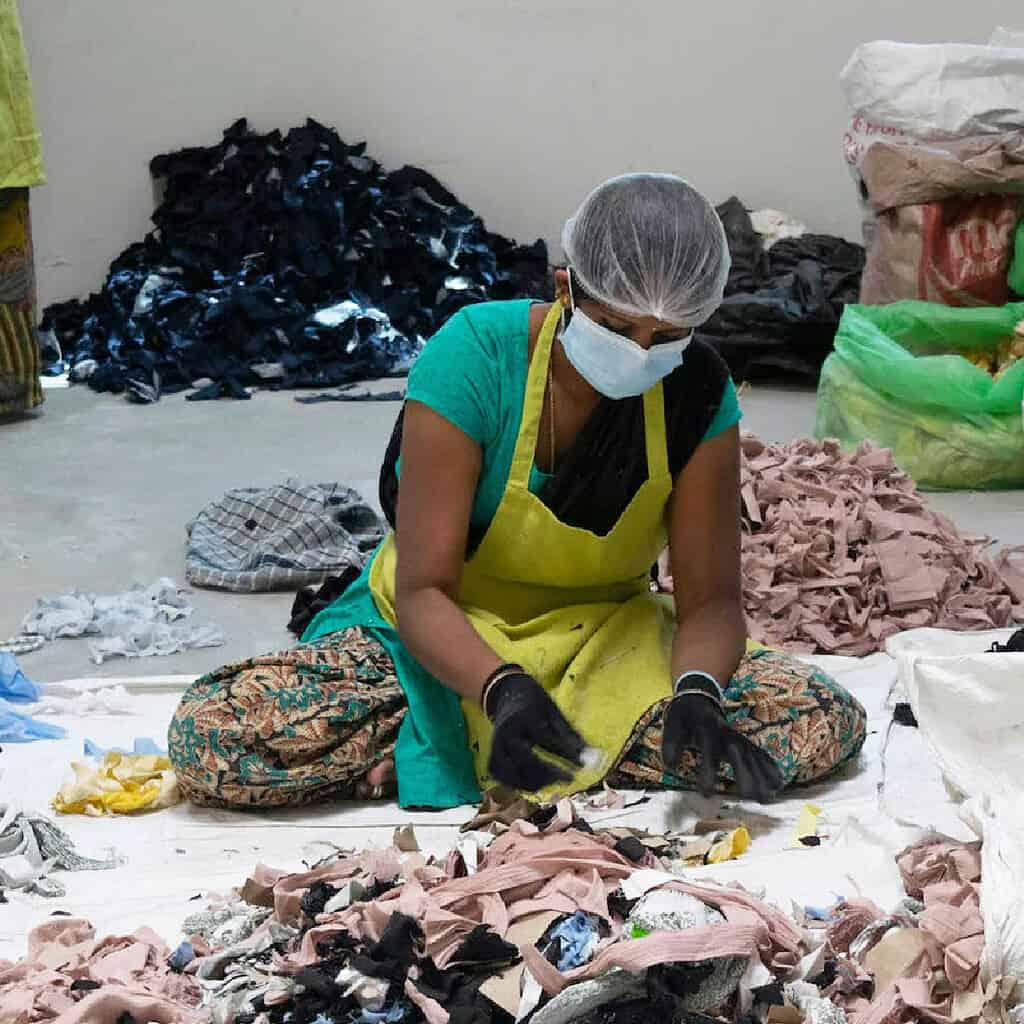
Despite playing an essential role in society, this work is too often low-paid, unproductive, unsafe, and precarious. 71% of waste workers earn less than $4 a day, and 1 in 4 live in huts or informal shelters. Many are women, marginalized minorities, migrant workers, or all three — often facing multiple layers of exclusion.
A group of innovative waste sector enterprises is working to change this reality. These companies are building better systems for plastic waste management while creating more dignified livelihoods for workers. Through our partnerships with IKEA Foundation and Target Foundation, Acumen is investing in this future: a waste management sector that values people and the planet. To get there, we needed to first understand what workers themselves need — and how enterprises can deliver.
In partnership with impact measurement firm 60 Decibels, we interviewed more than 350 waste collectors, facility workers, employees, and executives at two leading enterprises: Green Worms and ReCircle. Workers told us their top priorities are consistency, income growth, respect, and security.
“Respect and recognition have increased both in the market and at home. Everyone now asks and values what I say; my words carry weight.”
Female facility worker, ReCircle
But much remains to be done: wages are still low, working conditions are hazardous, and migrant workers lack access to benefits. Changing this will require more funding, stronger regulations, and companies willing to embed waste management into their sustainability strategies. It also calls for waste enterprises to unite in advocating for policy reforms and long-term investments that uplift both people and the planet.
What we heard:
Waste workers are calling for jobs that offer consistency, growth, respect, and security. These are the building blocks of fairer, more dignified jobs.
Income consistency
Ensure workers are paid on time through predictable, transparent payment schedules.
Income growth
Support workers’ economic mobility by upskilling and promoting from within.
Respect
Foster dignity at work through uniforms, ID badges, and shared community spaces.
Explore more from Acumen
Green Growth
We’re re-imagining India’s green job revolution by investing in companies serving the millions of informal workers in the waste management system.